


How to select the best PVC ball valve for irrigation systems
 Jul 07, 2026|
 View:322
Choosing the right PVC ball valve is essential for irrigation systems. Selecting a valve that matches pipe size, pressure rating, and material compatibility helps maximize water flow and prevent leaks. Modern options such as the PVC Compact Ball Valve (DIN Socket) offer additional benefits — lightweight design, a secure seal, and long service life. A practical checklist simplifies selection and ensures reliable performance.
Key Takeaways
Match the PVC ball valve size to your pipe diameter to ensure proper flow and prevent leaks.
Check the valve's pressure rating against your irrigation system's operating pressure for safe use.
Choose valves made from 100% virgin PVC for better durability, chemical resistance, and long service life.
Look for quality O-rings (EPDM or Viton) to avoid leaks and maintain reliable water control.
Consider ergonomic and lockable handles for easy operation and added security.
Select valves with UV protection and chemical resistance to withstand outdoor conditions and fertilizers.
Follow correct installation steps using PVC-compatible tools and materials for a leak-free setup.
Perform regular maintenance — cleaning, inspection, and lubrication — to extend valve life.
1. Assess Your Irrigation System
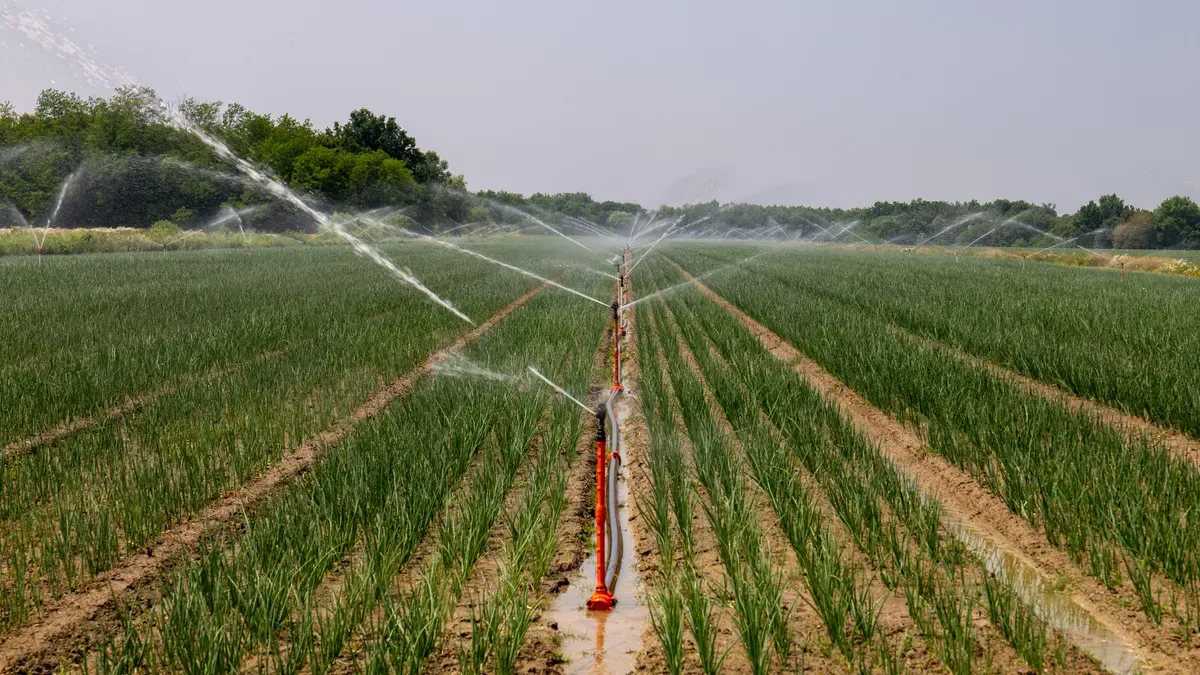
Before choosing any type of PVC ball valve, understand your irrigation setup's specific needs. Evaluating pressure, flow rate, pipe size, and operation type helps you select the right valve for reliable, long-term performance.
Water Pressure & Flow Rate
Pressure Requirements
Every irrigation system operates under a defined water pressure. Check the pressure rating of your pipes and equipment. If the system pressure exceeds the valve's rated maximum, leaks or damage may occur. Always match the valve's pressure rating to your system's specifications.
Flow Rate Matching
Flow rate measures how much water passes through your pipes per unit of time. A valve that is too small restricts flow; one that is too large may not control the water properly. Use a flow meter or consult your system documentation to find the right balance.
Pipe Size Compatibility
Measuring Diameter
Use a caliper or measuring tape to determine the outside diameter of your pipes. Most PVC ball valves are labelled by the pipe size they accommodate. Double-check measurements before purchasing.
Connection Type Compatibility
Not all valves fit all pipe materials or connection types. DIN socket valves are designed for specific standards. Confirming compatibility prevents leaks and simplifies installation.
Operation Type: Manual vs. Automatic
Manual valves are simple and cost-effective for smaller systems, but require hands-on attention. Automatic valves use electronic controls and offer programmed, consistent watering schedules. According to guidance from irrigation specialists[1], the choice depends on your budget, system size, and how much management effort you can commit to.
2. Key Features of a Quality PVC Ball Valve
Material & Durability
100% Virgin PVC
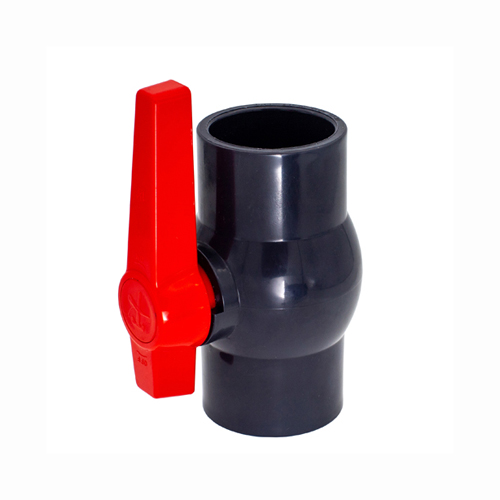
Valves manufactured from 100% virgin PVC — free from recycled content — resist brittleness and provide consistent quality. The PVC Compact Ball Valve (DIN Socket) uses this material standard, delivering superior resistance to degradation and a longer service life across a wide range of irrigation environments.
| Material | Key Properties | Typical Applications |
|---|---|---|
| PVC | Versatile, chemical resistant, corrosion resistant, high strength-to-weight ratio | Plumbing, fluid handling |
| UPVC | Rigid, exceptional chemical resistance, robust mechanical performance | Chemical dosing, industrial drainage |
| CPVC | High thermal stability, resistant to high temperatures | Fire sprinklers, potable water distribution |
Strength & Longevity
Durability is essential for outdoor irrigation. The PVC Compact Ball Valve (DIN Socket) handles pressures up to PN10 with a tensile strength of up to 45 MPa. Its corrosion resistance means no rust, no degradation from water or chemicals, and fewer costly replacements over time.
Seal & Leak Prevention
O-Ring Material Selection
The O-ring material directly affects resistance to chemicals and outdoor conditions. Research on agricultural sealing applications[2] identifies the following as most relevant for irrigation:
| Material | Key Properties | Best For |
|---|---|---|
| EPDM | Weather, UV, and ozone resistant | Water pumps, irrigation systems, outdoor machinery |
| Viton | Excellent chemical resistance, stable at extreme temperatures | Chemically demanding irrigation environments |
| Nitrile | Oil resistant, cost-effective | Hydraulic and general-purpose sealing |
Handle & Usability
Ergonomic Design
| Feature | Benefit |
|---|---|
| Contoured shape | Fits the natural grip of the hand, reducing fatigue |
| Textured surface | Enhances grip, preventing slippage when wet |
| Dual-material construction | Provides comfort and improved torque application |
Lockable Options
Lockable handles prevent accidental adjustments or unauthorized tampering — particularly valuable in shared, commercial, or community irrigation systems. They ensure consistent water flow and protect your irrigation schedule.
Resistance Qualities
UV Protection
UV rays gradually break down polymer chains in unprotected plastics, causing brittleness, fading, and cracking. The PVC Compact Ball Valve (DIN Socket) incorporates built-in UV stabilizers to maintain strength and appearance after years of outdoor exposure[3].
| UV Resistance Factor | Impact on PVC Ball Valves |
|---|---|
| Prevents brittleness | Maintains valve strength and prevents cracking |
| Reduces fading | Keeps valves visually identifiable in the field |
| Extends lifespan | Lowers replacement costs and system downtime |
| Ensures reliability | Protects against leaks and sudden failures |
Chemical Resistance
Irrigation systems routinely carry fertilizers, pesticides, and mineral-rich water. PVC resists a wide range of acids, bases, and salts without corroding or releasing harmful byproducts — making these valves safe for drinking water systems and compliant with international safety standards.
3. Sizing & Installation Tips
Choosing the Right Size
Using Sizing Charts
Manufacturers provide sizing charts that map pipe outside diameters to valve sizes. Measure with a tape measure or caliper, then compare against the chart before purchasing. This step alone prevents the majority of installation failures.
Common Sizing Mistakes
A valve that is too small restricts water flow; one that is too large may not seal properly. Ignoring the pressure rating is equally problematic. Always confirm compatibility with both pipe material and joining method.
Step-by-Step Installation
Tools Required
Gather a measuring tape, marker, hacksaw, clean rag, PVC primer, solvent cement, Teflon tape, and an adjustable wrench before starting.
Solvent-Cement Joining Process
Turn off the water supply completely.
Measure and mark the pipe at the valve location.
Cut with a hacksaw — keep cuts straight and square.
Clean all pipe ends and valve connections with a dry rag.
Apply PVC primer to pipe ends and inside the valve sockets.
Apply a thin, even layer of solvent cement to primed surfaces.
Insert one pipe end into the valve and hold firmly for several seconds.
Repeat on the other side, confirming alignment.
Wrap Teflon tape around any male threaded connections.
Tighten with a wrench — do not overtighten.
Allow cement to cure fully per manufacturer guidelines.
Turn on water slowly and inspect all joints for leaks.
Maintenance Schedule
| Maintenance Task | Frequency | Tools Needed |
|---|---|---|
| Visual Inspection | Every 3 months | Flashlight, gloves |
| Handle Lubrication | Every 6 months | Silicone lubricant |
| Seal / O-ring Replacement | Annually or as needed | Replacement O-rings |
| Cleaning | Twice a year | Soft brush, mild soap |
Need High-Quality PVC Ball Valves for Your Irrigation Project?
XITA's PVC Compact Ball Valve (DIN Socket) is manufactured from 100% virgin PVC, certified to international standards (BS EN ISO 1452 / ISO 4422 / DIN 8063 / GB/T 10002.2), and engineered for long-term performance in demanding outdoor environments.
✔ PN10 Pressure Rating
✔ 100% Virgin PVC
✔ UV & Chemical Resistant
✔ EPDM / Viton Seals
✔ Drinking Water Safe
✔ Custom Sizes Available
+86-519-85188918 | ✉ sales@czxita.com | WhatsApp: +86-13584531319
4. Mistakes to Avoid
Ignoring Pressure Ratings
Operating a valve beyond its rated pressure can cause body deformation, seat leakage, increased actuation torque, and — in severe cases — brittle failure with sudden release of pressurized fluid. Always verify that your valve's pressure rating matches or exceeds your system's operating pressure.
Wrong Pipe Size
An incorrect pipe-to-valve size match causes chronic leaks, poor flow control, and can result in catastrophic failure if operating pressures exceed the component's specification. Measure pipe diameter carefully and cross-reference with manufacturer sizing charts.
Overlooking Environmental Factors
High ambient temperatures (above ~55°C) can soften PVC and reduce sealing force. UV exposure without proper stabilizers leads to brittle handles. Pressure spikes or manufacturing defects can cause body cracking. For outdoor irrigation systems, always specify UV-rated, temperature-appropriate valves.
Skipping Maintenance
Even durable PVC ball valves require periodic attention. Neglect leads to mineral buildup that prevents proper sealing, stiff handles from sediment, and undetected micro-cracks that worsen over time. Schedule inspections at the start and end of each irrigation season as a minimum.
5. Procurement Guide & Why XITA
Evaluation Criteria
| Criterion | What to Verify |
|---|---|
| Certifications | ASTM, ISO, DIN, or ANSI compliance documentation |
| Material Declaration | Confirmation of 100% virgin PVC (no recycled content) |
| Reputation | Customer reviews, export history, industry recognition |
| Technical Support | Pre-sale sizing guidance and post-sale technical assistance |
| Customization | Available sizes, colors, and connection types for your project |
Why Choose XITA
XITA is a trusted manufacturer of thermoplastic valves and pipe fittings based in Changzhou, China, with over 20 years of industry experience. The PVC Compact Ball Valve (DIN Socket) meets international standards including BS EN ISO 1452, ISO 4422, DIN 8063, and GB/T 10002.2. Key advantages include:
| Benefit | Description |
|---|---|
| Consistent Quality | Products manufactured to high standards with strict process controls. |
| Standards Compliance | Multiple international certifications ensure safety and reliability. |
| Technical Support | Engineering assistance for complex irrigation and industrial projects. |
| Comprehensive Testing | Each product line undergoes pressure, chemical, and UV resistance testing. |
| Experienced Manufacturer | Over 20 years serving global markets across 50+ countries. |
Quick Selection Checklist
Match valve size to your pipe's outside diameter.
Choose the correct connection type (DIN socket, threaded, union-end, etc.).
Confirm the pressure rating meets or exceeds your system's requirements.
Determine placement and purpose (zone isolation, main shutoff, fertigation line, etc.).
Select quality, certified valves for long-term durability and safety.
Frequently Asked Questions
What is a PVC ball valve used for in irrigation systems?
A PVC ball valve controls water flow in irrigation systems. It allows users to start, stop, or regulate water delivery to specific zones, gardens, or fields with a simple quarter-turn handle.
How do I choose the correct size PVC ball valve?
Measure the outside diameter of your pipe and match it to the valve size on the manufacturer's sizing chart. Using the correct size ensures a leak-free fit and optimal flow performance.
Are PVC ball valves safe for drinking water?
Yes. High-quality PVC ball valves made from virgin PVC — such as the XITA compact ball valve — are non-toxic and meet drinking water safety standards.
How long do PVC ball valves last outdoors?
A well-manufactured PVC ball valve can last over 50 years under normal use. UV stabilizers and chemical-resistant materials extend service life significantly, even in harsh outdoor environments.
Can I install a PVC ball valve myself?
Yes. Most installations can be completed with basic tools following the solvent-cement method. Ensure all surfaces are clean and dry, and allow adequate cure time before pressurizing the system.
Do PVC ball valves resist fertilizers and pesticides?
PVC resists a broad spectrum of agricultural chemicals including fertilizers, dilute acids, and most pesticide solutions. Always verify compatibility with specific chemical concentrations before installation.
What maintenance does a PVC ball valve require?
Inspect for leaks and cracks quarterly, lubricate the handle and shaft every six months, replace O-rings annually or when wear is detected, and clean the valve body twice a year.
Why choose a compact PVC ball valve over a standard design?
Compact ball valves are lightweight and easier to install in tight spaces. They deliver strong performance and high pressure ratings while reducing handling effort and overall system weight.
Irrigation valve type guidance — FAO Irrigation and Drainage Paper No. 45: Guidelines for the design and evaluation of irrigation and drainage projects (Food and Agriculture Organization of the United Nations)
O-ring material selection for agricultural applications — O-Ring Materials and Chemical Compatibility — Engineering ToolBox
UV resistance and weathering of PVC — Photostabilization of PVC — Polymer Degradation and Stability (Elsevier / ScienceDirect)

