


Specifications of 90 Degree Plastic Elbow
 Dec 06, 2024|
 View:1292
In modern industry and daily life, the application of pipeline systems is ubiquitous. Whether transporting water, gas, or other fluids, pipeline systems play a crucial role. In pipeline systems, 90 degree plastic elbows are widely used as important connecting components in various fields. From household water supply and drainage systems to large industrial pipeline networks, plastic pipe 90 degree elbows play an irreplaceable role. This article will provide a detailed introduction to the specifications of 90 degree plastic elbows, including dimensions and dimensions, material properties, and pressure ratings.
1. Size and Dimensions
There are various sizes and specifications of 90 degree plastic elbows to meet the needs of different pipeline systems. Common size parameters include inner diameter, outer diameter, and length.
The inner diameter is an important parameter that determines the fluid's ability to pass through. The 90 degree plastic elbow with a smaller inner diameter is suitable for small household piping systems, such as water supply and drainage pipes in bathrooms and kitchens. These elbows typically have smaller sizes to accommodate limited space and lower flow requirements. In large industrial pipelines, larger inner diameter elbows are required to ensure smooth fluid flow. For example, in the material transportation pipeline of the chemical industry, 90 degree plastic elbows with larger inner diameters may be used to meet the high flow and large volume fluid transportation needs.
The outer diameter is closely tied to the way connections are made and how installation must proceed. Elbows come in an assortment of outer diameters to precisely match diverse connector specifications for pipelines, guaranteeing a secure join between bends and conduits. In the meantime, the size of the outer diameter impacts the elbow's strength and stability. Commonly, elbows with wider outer gauges have better soundness and can withstand more external powers and pressures.
Length is also an important dimensional parameter for 90 degree plastic elbows. The choice of length depends on the pipeline layout and space constraints. In some narrow spaces, shorter length elbows may be required to achieve pipe turning. In some situations where a larger bending radius is required, longer length elbows may be used to reduce fluid resistance and pressure loss.
The applicability of 90 degree plastic elbows of different sizes varies in different pipeline systems. When choosing an elbow, it is necessary to comprehensively consider factors such as specific pipeline size, flow requirements, pressure rating, and installation space. Only by selecting appropriate size specifications can the efficient operation and safe reliability of the pipeline system be ensured.
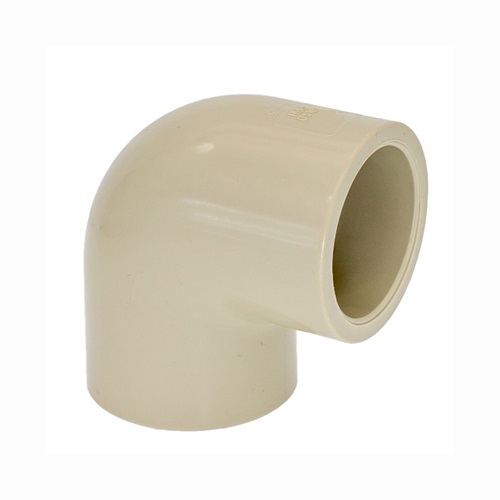
2. Material Properties
There are many commonly used materials for manufacturing 90 degree plastic elbows, among which PVC (polyvinyl chloride) and PPH (polypropylene) are the two most common.
PVC is a plastic material widely used in pipeline systems. It has good corrosion resistance, insulation and processing performance. PVC 90 degree plastic elbows are suitable for various water supply and drainage pipeline systems, especially widely used in households and small commercial buildings. The relatively low cost of PVC material makes PVC elbows more cost-effective. In addition, PVC elbows also have the advantages of light weight and easy installation.
PPH is a high-performance plastic material with excellent corrosion resistance, high temperature resistance, and pressure resistance. PPH 90 degree plastic elbows are suitable for pipeline systems in industries such as chemical, pharmaceutical, and food, which have high requirements for pipeline materials. PPH material has high strength and stiffness, and can withstand significant pressure and external forces. At the same time, PPH material also has good chemical corrosion resistance, which can resist the erosion of various strong acids, strong bases, and organic solvents.
In addition to PVC and PPH, there are other materials that can also be used to manufacture 90 degree plastic elbows, such as PE, ABS , etc. Each material has its unique characteristics and scope of application. When selecting elbow materials, comprehensive consideration should be given to the specific usage environment and requirements.
3. Pressure Ratings
The pressure range that 90 degree plastic elbows of different specifications and materials can withstand varies. When selecting elbows, it is necessary to clarify the pressure rating of the pipeline system to ensure the selection of suitable elbows and the safe and stable operation of the pipeline system.
For small household piping systems, the pressure is generally low, and using ordinary PVC 90 degree plastic elbows can meet the requirements. These elbows are usually able to withstand lower pressures, typically ranging from a few kilograms to over ten kilograms.
In large industrial pipeline systems, the pressure rating may be higher, and it is necessary to choose elbows with better pressure resistance performance. For example, PPH 90 degree plastic elbows can withstand high pressure and can be used in chemical pipeline systems with high pressure levels. When choosing an elbow, factors such as the working temperature and fluid properties of the pipeline system need to be considered to ensure that the elbow can operate safely and reliably under various working conditions.
In order to avoid leakage or rupture caused by excessive pressure, it is necessary to strictly follow relevant standards and specifications when installing and using 90 degree plastic elbows. Ensure that the connection of the elbow is firm and reliable, avoiding looseness or leakage. At the same time, regular inspections and maintenance of the pipeline system are carried out to promptly identify and address potential issues.
In summary, as an important connecting component in pipeline systems, the specifications and performance of 90 degree plastic elbows play a crucial role in the safe and efficient operation of pipeline systems. When choosing a 90 degree plastic elbow, it is necessary to comprehensively consider factors such as size and dimension, material characteristics, and pressure rating to ensure the selection of a suitable elbow that meets the needs of different pipeline systems. If you need high-quality plastic pipe 90 degree elbows, XITA is your most reliable 90 degree elbow supplier. We will provide you with high-quality products and professional services to ensure the safe and reliable operation of your pipeline system.


