May 15, 2018
 View:2472
Selecting the right PVC pipe for your project goes beyond picking a size off the shelf. The wrong choice — a pipe with insufficient pressure rating, incompatible material type, or mismatched fittings — leads to system failures, costly rework, and safety risks. This guide breaks down every variable that matters, so you can make the right decision the first time.
PVC pipe selection depends on five core factors: application type, pressure rating, temperature range, pipe schedule, and compliance standards.
Schedule 40 is the standard for most residential and light commercial systems; Schedule 80 is required for high-pressure or industrial environments.
Never use standard PVC for hot water above 140°F (60°C) — CPVC is the correct choice for those applications.
Always verify that pipes carry relevant certifications (ASTM, NSF, ISO) before purchasing for regulated applications.
Pipe diameter should be matched to your system's required flow rate, not just the existing connection size.
Step 1: Define Your Application Type
Before evaluating any product specification, the first question is always: what is this pipe actually doing in your system? PVC is used across a wide range of applications, and the category of use determines which grade, schedule, and certifications are relevant.
Potable Water Supply
Pipes carrying drinking water must carry NSF/ANSI 61 certification, which confirms the material will not leach harmful substances into the water supply. Look for this marking printed directly on the pipe. Standard white Schedule 40 PVC is the most common choice for cold-water residential supply lines.
Drainage, Waste & Vent (DWV)
DWV systems operate at low or near-zero pressure — gravity does most of the work. PVC-DWV pipe (conforming to ASTM D2665) uses thinner walls than pressure-rated pipe and is purpose-built for drainage efficiency, not pressure containment. Do not use DWV pipe in pressure applications.
Industrial Process Piping
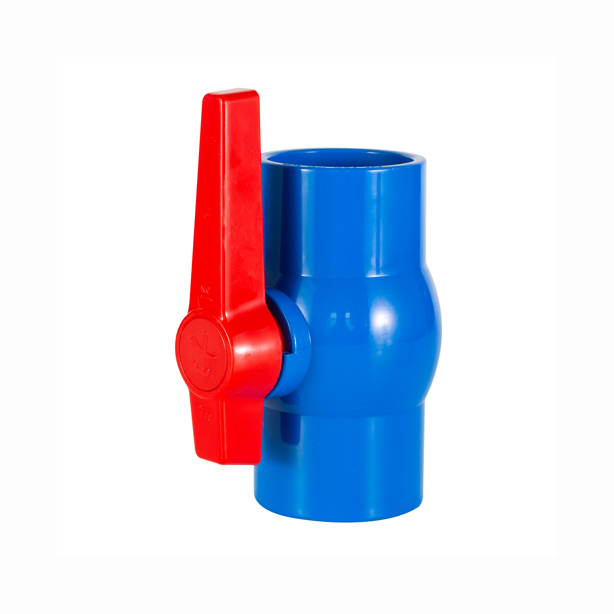
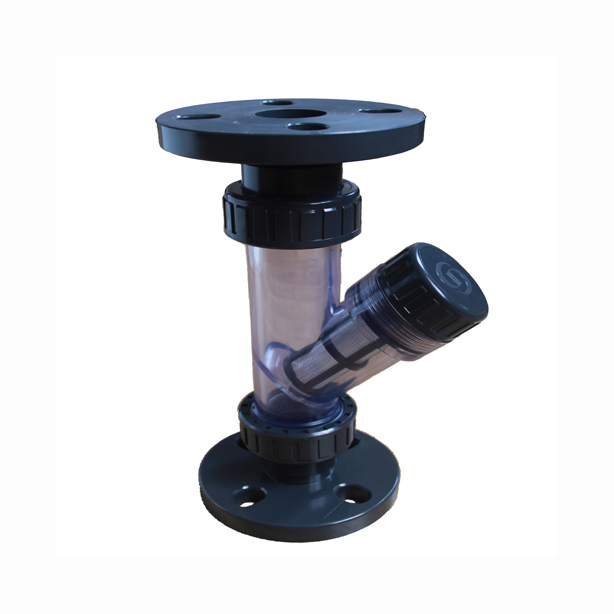
Chemical plants, water treatment facilities, and manufacturing environments often require PVC pipe that resists specific acids, alkalis, or solvents. In these contexts, material compatibility with the transported fluid is as important as pressure rating. For aggressive chemical environments, CPVC or specialized PVC compounds may be necessary. Our industrial-grade PVC pipe and valve range is engineered for demanding process applications.
Irrigation & Agricultural Systems
Irrigation PVC is typically SDR-rated (Standard Dimension Ratio) rather than schedule-rated, and designed for long runs under moderate pressure. UV resistance matters significantly for any above-ground installation in this category.
Electrical Conduit
Electrical-grade PVC conduit (Schedule 40 or Schedule 80, grey in color) is manufactured to different standards than plumbing PVC. It is not interchangeable with water supply pipe despite the visual similarity.


Step 2: Understand PVC Pipe Schedules
The "schedule" of a PVC pipe refers to its wall thickness relative to its outer diameter. It is the single most commonly misunderstood specification in pipe selection. Critically, the outer diameter (OD) of a pipe remains constant between Schedule 40 and Schedule 80 for any given nominal size — only the inner diameter and wall thickness change.
| Specification | Schedule 40 PVC | Schedule 80 PVC |
|---|---|---|
| Wall Thickness | Standard | 20–40% thicker than SCH 40 |
| Pressure Rating (½" at 73°F) | ~480 PSI | ~630 PSI |
| Outer Diameter | Identical to SCH 80 | Identical to SCH 40 |
| Inner Diameter | Larger (higher flow) | Smaller (lower flow) |
| Typical Color | White | Dark grey |
| Cost Premium | Baseline | 20–50% more than SCH 40 |
| Primary Applications | Residential plumbing, irrigation, drainage, light commercial | Industrial piping, chemical processing, high-pressure systems |
| ASTM Standard | D1785 | D1785 |
Step 3: Match Pressure Ratings to Your System
The pressure rating of a PVC pipe is not a single fixed number — it is a value that changes depending on operating temperature. This is the most critical safety factor in pipe selection and the one most frequently overlooked by buyers.
The Temperature–Pressure Relationship
PVC pressure ratings are stated at 73°F (23°C). As temperature rises, the pipe's rated working pressure decreases in proportion. A ½" Schedule 40 PVC pipe rated at 480 PSI at 73°F drops to approximately 270 PSI at 110°F and falls further as the temperature approaches the material's maximum service limit of 140°F (60°C). Always apply the appropriate de-rating factor when your system operates above ambient temperature.
For hot water systems operating above 140°F, standard PVC is not suitable — CPVC pipe, which maintains its mechanical properties up to 200°F (93°C), is the correct material choice.
Pressure Rating Reference Table
| Nominal Pipe Size | SCH 40 — Max PSI @ 73°F | SCH 80 — Max PSI @ 73°F |
|---|---|---|
| ½ inch | 480 PSI | 630 PSI |
| ¾ inch | 370 PSI | 470 PSI |
| 1 inch | 330 PSI | 450 PSI |
| 1½ inch | 240 PSI | 330 PSI |
| 2 inch | 220 PSI | 280 PSI |
| 3 inch | 170 PSI | 260 PSI |
| 4 inch | 140 PSI | 220 PSI |
| 6 inch | 115 PSI | 180 PSI |
Values based on ASTM D1785 for water, non-shock conditions at 73°F (23°C). De-rate for elevated temperatures per manufacturer specification sheets. For reference, see ASTM D1785 and NSF certifications guidance.
Step 4: Choose the Right Pipe Size for Your Flow Requirements
Nominal pipe size (NPS) is a standardized labeling system that does not correspond directly to any physical measurement. A "1-inch" PVC pipe has an actual outer diameter of 1.315 inches — not 1 inch. For this reason, always refer to the pipe's actual OD specification when planning connections and fittings.
How to Select the Correct Diameter
Pipe diameter should be sized to accommodate the system's required flow rate at acceptable velocity. Undersized pipe causes excessive pressure drop, noise, and accelerated wear. Oversized pipe adds unnecessary material cost. For most residential applications, the following sizing guidelines apply:
½ inch to ¾ inch: Individual fixture supply lines (faucets, toilets, appliances)
1 inch: Main supply lines serving multiple fixtures in a single bathroom or kitchen
1½ inch to 2 inch: Branch mains serving multiple zones or commercial supply
3 inch to 6 inch: Main distribution lines, gravity drainage, and industrial supply
For irrigation and industrial systems, consult a flow calculation to determine the minimum required pipe ID for your target flow rate and acceptable pressure loss per unit length.
Step 5: Verify Standards and Certifications
Quality certifications are not a formality — they are the only reliable indicator that a pipe will perform as specified under real operating conditions. Before purchasing, verify that your selected pipe meets the applicable standards for your application.
| Certification / Standard | What It Covers | Application |
|---|---|---|
| ASTM D1785 | Material, dimensions, and pressure ratings for Schedule 40 and 80 PVC pressure pipe | All pressure applications |
| ASTM D2241 | SDR-rated pressure pipe — used in irrigation and water distribution | SDR irrigation / distribution |
| ASTM D2665 | PVC pipe and fittings for DWV (drain, waste, vent) systems | Drainage systems |
| NSF/ANSI 61 | Drinking water safety — confirms no harmful leaching from pipe material | Potable water supply |
| ISO 1452 | International standard for PVC-U pressure piping systems | Export / international projects |
Reputable manufacturers print the applicable standard codes directly on the pipe. If the pipe does not carry a printed certification mark, treat it as non-certified regardless of what a supplier claims verbally.
Step 6: Evaluate Material Variants — When Standard PVC Is Not Enough
Standard PVC (PVC-U / unplasticized PVC) covers the vast majority of applications. However, specific use cases require alternate material formulations.
CPVC (Chlorinated PVC)
For hot water systems, CPVC is the correct choice. It is manufactured by adding chlorine to standard PVC, which raises the material's maximum service temperature from 140°F to 200°F (93°C). CPVC uses the same Schedule 40/80 framework and is available as a direct replacement in systems where the only change is temperature range. Learn more about the differences between PVC and CPVC pipe and which is right for your system.
PVC-O (Oriented PVC)
A biaxially-oriented PVC with significantly improved impact resistance and fatigue strength compared to standard PVC-U. Used in high-cycle pressure systems and water mains where long-term fatigue resistance is critical. Refer to ISO 16422 for technical specifications on PVC-O piping systems.
UV-Stabilized PVC
Standard PVC degrades under prolonged ultraviolet exposure, becoming brittle over time. For any above-ground outdoor installation, specify UV-stabilized compound PVC. This variant typically contains titanium dioxide or other UV-blocking additives blended into the material at manufacture.
Step 7: Factor in Fittings, Joints, and System Compatibility
A pipe is only as reliable as its connections. The most common cause of PVC system failures is not the pipe itself — it is improper fitting selection or incorrect solvent cement application at joints.
Critical Compatibility Rules
Schedule matching: Schedule 40 fittings must be used with Schedule 40 pipe, and Schedule 80 fittings with Schedule 80 pipe. Mixing schedules at joints creates stress concentrations and seal failures.
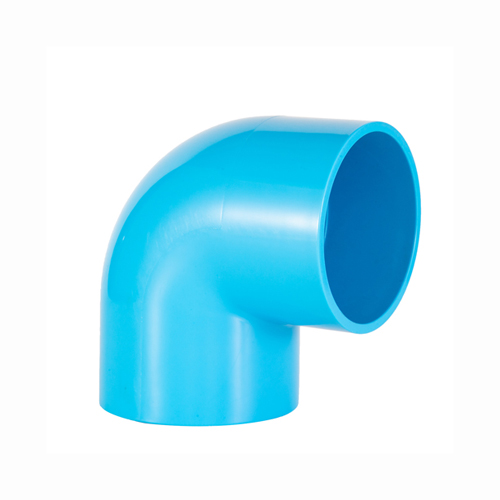
Cement selection: PVC and CPVC require different solvent cements. Using PVC cement on CPVC joints — or vice versa — produces weak bonds that may fail under pressure or temperature cycles. See our range of PVC and CPVC fittings and valves designed for full system compatibility.
Pressure de-rating at fittings: PVC fittings carry approximately 60% of the equivalent pipe's pressure rating. System design must account for this — the fittings, not the pipe, are typically the limiting factor in system pressure capacity.
Threaded connections: Schedule 80 pipe is required for any threaded connection, because threading reduces effective wall thickness. Schedule 40 walls are too thin to hold reliable threads under pressure.
For a comprehensive reference on PVC fitting types, connection methods, and selection criteria, see our detailed guide: Ultimate Guide to PVC Pipe Fittings Names.
PVC Pipe Selection Checklist
| Selection Factor | What to Determine | Key Decision |
|---|---|---|
| Application Type | Pressure, drainage, irrigation, conduit, industrial | Sets the applicable pipe grade and standard |
| Operating Pressure | System working pressure (PSI or bar) | Determines minimum required pressure rating |
| Operating Temperature | Max fluid temperature in service | Standard PVC (≤140°F) vs CPVC (≤200°F) |
| Pipe Schedule | Wall thickness requirement | SCH 40 for standard, SCH 80 for high-pressure / threading |
| Pipe Diameter | Required flow rate and pressure drop limit | Select by flow calculation, not by existing connection size |
| Fluid Compatibility | Chemical composition of transported fluid | Verify PVC/CPVC resistance chart for non-water fluids |
| UV Exposure | Indoor vs outdoor / above-ground installation | UV-stabilized compound for outdoor runs |
| Certifications Required | Potable water / local code requirements | NSF 61 for drinking water; ASTM for pressure applications |
| Fittings & Valves | Joint type, valve requirements | Match schedule; select CPVC cement for CPVC systems |
Need PVC Pipes, Fittings, or Valves for Your Project?
Changzhou Xita Plastic Products manufactures a full range of PVC and CPVC pipes, fittings, ball valves, butterfly valves, and system components — produced to ASTM, ISO, and DIN standards with factory-direct pricing and global export support.
Send an Inquiry NowFrequently Asked Questions
Can I use Schedule 40 PVC for hot water lines?
No. Standard PVC (including Schedule 40 and Schedule 80) is rated to a maximum service temperature of 140°F (60°C). For any hot water application, CPVC — rated to 200°F (93°C) — is the correct choice. Using standard PVC on hot water lines causes softening, joint failure, and eventual system failure.
What is the difference between SDR and Schedule-rated PVC?
Schedule-rated pipe specifies an absolute wall thickness for each pipe size. SDR (Standard Dimension Ratio) pipe specifies wall thickness as a ratio of the outer diameter — so the same SDR number produces proportionally consistent wall thickness across all pipe diameters. SDR pipe is common in irrigation and water distribution; schedule pipe is standard for plumbing and industrial systems.
How do I know if a PVC pipe is rated for drinking water?
The NSF/ANSI 61 certification mark, printed on the pipe, confirms suitability for potable water contact. If this marking is absent, the pipe has not been certified for drinking water and should not be used in that application regardless of the seller's claims.
Why does PVC pipe pressure rating decrease at higher temperatures?
PVC is a thermoplastic material, meaning its mechanical properties are temperature-dependent. As temperature rises, the polymer chains become more mobile, reducing the material's yield strength. This is why a pipe rated at 480 PSI at 73°F may only be rated for approximately 100 PSI at 140°F. Always apply the manufacturer's de-rating table when designing systems operating above ambient temperature.
Is grey PVC pipe the same as white PVC pipe?
No. Grey PVC pipe is typically electrical conduit grade — manufactured to different standards and not rated for pressure fluid applications. White PVC pipe is plumbing grade. Never substitute electrical conduit in plumbing or industrial fluid service.
ASTM International. D1785-21: Standard Specification for Poly(Vinyl Chloride) (PVC) Plastic Pipe, Schedules 40, 80, and 120.astm.org
ASTM International. D2665: Standard Specification for Poly(Vinyl Chloride) (PVC) Plastic Drain, Waste, and Vent Pipe and Fittings.astm.org
NSF International. NSF/ANSI 61: Drinking Water System Components — Health Effects.nsf.org
ISO. ISO 1452: Plastics piping systems for water supply and for buried and above-ground drainage and sewerage under pressure — Unplasticized poly(vinyl chloride) (PVC-U).iso.org
Spears Manufacturing. PVC & CPVC Pipe Technical Dimensions, Pressure Ratings, and Temperature De-Rating Tables.spearsmfg.com
ASTM International. D2241: Standard Specification for Poly(Vinyl Chloride) (PVC) Pressure-Rated Pipe (SDR Series).astm.org