


 Aug 11, 2026
 View:159
Using the wrong chemicals causes severe rust, small holes, and dangerous leaks in modern water treatment plants. Unplanned closures cost plant managers between $50,000 and $500,000 for every single event. You stop water pollution, prevent leaking joints, and reduce total long-term costs by matching harsh chemicals with the right plastics. Choosing tough materials like UPVC, CPVC, PPH, and PVDF protects your piping systems from breaking down too early.
Changzhou Xita Plastic Products Co., Ltd. provides top-quality parts for moving important liquids safely. As an ISO9001 approved maker, Xita creates full pipe system catalogs that meet global standards like DIN and ASTM. Chemical-matched parts ensure long-lasting safety and dependable performance for your operations.
Plastic pipes like UPVC, CPVC, PPH, and PVDF stop rust and prevent expensive factory shutdowns.
CPVC and PVDF manage strong heat and dangerous chemicals much better than normal metal pipes.
Plastic valves and the right rubber seals keep chemical pipes safe and totally leak-free.
Smooth inside pipe surfaces and smart valve settings stop harmful pressure jumps and water hammer.
Chemical and Physical Risk Factors in Water Treatment Fluids

Corrosion Impact of pH, Oxidation, and Temperature
Acidic fluids quickly ruin metal pipes. Raw water with a pH under 6.5 speeds up metal decay by adding hydrogen ions at the cathode. Carbon steel breaks down fast in acidic conditions. Keeping fluid pH from 9.0 to 10.5 builds protective iron oxide layers on carbon steel. Neutral to basic water keeps stainless steel stable. But low pH mixed with strong oxidizers strips away metal oxide layers completely.
Hotter liquids speed up rusting and add heat strain to pipe joints. Normal metals weaken quickly under heavy heat pressure. Chlorinated polyvinyl chloride (CPVC) stays strong at working temperatures as high as 93°C. Polyvinylidene fluoride (PVDF) handles harsh chemicals at intense heat up to 150°C. Matching a material's heat limits with system pressure prevents early pipe breaks in complex plant setups.
Chloride Concentration and Localized Pitting Risks
Harsh chloride ions breach metal surfaces to cause deep, localized pitting rust. Total Dissolved Solids (TDS) levels over 500 mg/l boost water's electric flow. High conductivity powers the rusting process inside metal pipe walls. Low pH combined with high chloride levels brings the worst danger. Acidic water wipes away safety coatings, while chlorides attack bare metal before new layers can form.
Metal alloys have strict chloride limits in water treatment systems:
| Alloy Grade | Chloride Limit Threshold | Corrosion Risk Note |
|---|---|---|
| 304/304L | 100 ppm | Crevice corrosion risk |
| 316/316L | 2000 ppm | Higher chloride tolerance |
Raw seawater holds about 19,000 mg/l chlorides and 35,000 mg/l Total Dissolved Solids. These rough conditions wreck standard metal pipes fast during short work cycles. Rust-proof plastics remove chemical rusting risks completely. You shield plant equipment long-term by choosing chemical-matched plastic pipes for tough water treatment jobs.
Media-Matched Piping System Substrates and Valve Selection
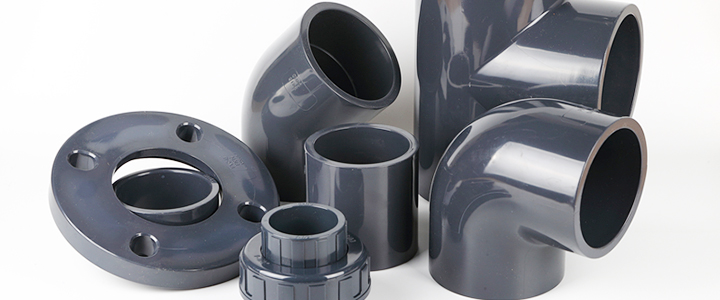
Performance of UPVC, CPVC, PPH, and PVDF Systems
Picking the right plastic keeps industrial water treatment plants from suffering total system breakdowns. Changzhou Xita Plastic Products Co., Ltd. builds complete plastic pipe sets that handle strong chemicals. The Xita UPVC CPVC piping system works great across many different liquid tasks. UPVC holds its shape well, resists hard impacts better than clay or metal, and handles outdoor sunlight nicely. Chlorinated CPVC contains more chlorine for extra chemical defense. It bends slightly to fit tricky spaces easily, and it safely handles hot, dangerous liquids up to 93°C.
For hot setups and busy liquid flow, the Xita PPR/PPH piping system uses two tough plastics built to strict DIN8077/8078 world standards. This full pipe line matches easy carrying with high strength in harsh workplaces. Its very slick inside walls lower liquid drag, block mineral buildup, cut power costs, and run smoothly for many years.
For pure liquids and strong acids, the Xita PVDF piping system gives top strength and chemical defense. PVDF handles harsh acids, strong bases, and tricky chemicals from -40°C up to 150°C. Low leakage stops bad gases or liquids from escaping, while strong sun protection keeps outdoor pipes from cracking. Builders choose these tough plastics using major world rules [1]:
| Application Area | Material Substrates | Recognized Industry Standards |
|---|---|---|
| General Chemical Piping | UPVC, CPVC | DIN PN16/PN10, ANSI SCH80/SCH40, JIS K6776 |
| Industrial Pressure Pipe | PPH, PPR | ISO 15494, ASTM F1673 |
| Highly Corrosive Systems | PVDF | ISO 10931, ASTM D3222 |
These matching pipe systems stop inside rust, cut repair needs, and keep plants running without stopping.
Need Chemical-Resistant Piping for Your Water Treatment Plant?
Get expert material selection guidance and factory-direct pricing from XITA's technical team.
Request a Material RecommendationMatching Thermoplastic Valves for Chemical Isolation
You control liquids safely by joining chemical-resistant pipes with matching plastic valves. Picking a good valve means checking liquid types, chemical strength, solid dirt, normal pressure, and high heat limits. Two-piece or three-piece plastic ball valves use PTFE seals with EPDM or FKM rings to shut off flow completely. These lined ball valves hold pressures up to PN16 at 20°C, offering fast control for clean liquids.
Dangerous chemical feeding and thick slurries need special seals to keep plant workers safe. Diaphragm valves use a flexible rubber or PTFE sheet to build a total safety wall. This wall shields key inside parts from harsh chemicals, removing leaking stem seals completely.
Butterfly valves give cheap flow control in big pipes when fitted with chemical-safe covers and PTFE disc seats. One-way check valves, Y strainers, and foot valves keep liquids moving forward, trap dirt, and stop damaging backflow in strong pump lines. Plant leaders add electric or air-powered control valves to modern plants to manage liquid paths from far away, improve safety, and stop human mistakes.
Standardized Piping Configurations Across Process Stages
You design modern water facilities by matching plastic types directly to different fluid steps. Choosing correct materials stops bad joint leaks and keeps steady pressure during daily plant work. Pressure needs show if you should install unplasticized polyvinyl chloride, chlorinated polyvinyl chloride, polypropylene homopolymer, or pure polyvinylidene fluoride. You protect city water lines and factory waste sites by following official global rules like PN10, PN16, DIN8077/8078, and SCH80 standards.
Raw Water Intake and Sludge Transport Lines
Raw water systems move huge amounts of natural water containing rough sand, gravel, and mud. You use unplasticized polyvinyl chloride (UPVC) pipe sets for basic intake lines because UPVC stops ground rust and wear. City intake plans call for SCH80 or PN10 pressure ratings to build strong pipe walls against water surges. Strong UPVC flange joints make connecting easy while keeping raw water completely clean.
Sludge lines transport rough mineral mud, living solids, and heavy acid waste from settling tanks. You pick polypropylene homopolymer (PPH) piping system setups for tough sludge moving jobs. PPH parts meet global DIN8077/8078 build rules while offering a super slick inner wall. This smooth inside lowers fluid drag, stops mineral scaling, and keeps thick dirt from plugging pipes. Light PPH parts make site building easier while offering top impact resistance during heavy pump pushes. You use full-port PPH check valves and strong ball valves to keep liquids flowing during hard pump cycles.
High-Precision Chemical Dosing and Effluent Lines
Careful chemical feeding steps demand great material resistance against strong acids, basic fluids, and oxidizers. You pick CPVC or PVDF based on exact chemical strength and working heat levels. Automated feeding systems use electric PVDF diaphragm valves to control acid flows very accurately. Bleach feeds running below 20% strength work safely inside CPVC lines built for PN16 pressure. Pure bleach feeds up to 100% need pure PVDF pipe materials to stop chemical leaks and keep liquid clean.
Sulfuric acid moving calls for careful material choices based on exact liquid strength limits:
| Chemical Agent | Substrate Material | Concentration Range | Performance Suitability |
|---|---|---|---|
| Sodium hypochlorite | CPVC | < 20% | Preferred choice |
| Sodium hypochlorite | PVDF | Up to 100% | Excellent choice |
| Sulfuric acid | PVDF | Dilute to moderate | Performs well |
| Sulfuric acid | CPVC | High concentration | Not recommended |
You must avoid CPVC and PVDF materials when moving heavy 93% to 98% sulfuric acid flows. Strong sulfuric acid breaks CPVC in ten months by causing small cracks, and PVDF fails under heavy acid exposure. Plant workers use special ECTFE materials for strong 98% sulfuric acid pipes to keep operations totally safe.
Factory waste lines collect dangerous liquid waste, wash water, and mixed chemical streams from plant areas. You install a full PPH or CPVC piping system around waste neutralizing tanks to stop mixed acid and base liquids. Smooth inner walls keep dirty water moving fast and lower pumping power costs over many years. Adding plastic diaphragm valves with tough seals stops all leaks, keeps workers safe, and prevents nature pollution across your whole plant.
Engineering Integration for Leak-Free Piping System Operation
Elastomer Gasket Matching and Joint Integrity
You stop joint leaks and keep liquids clean by picking solid joining methods. Heat fusion bonds plastic parts together using heat instead of strong glues. Workers cut pipe ends square, clean them, apply steady heat, push the softened ends together, and hold them still as they cool. Inspecting the joint and running pressure tests ensure everything works safely before startup.
| Method | Process Description | Key Advantages for Leak-Free Systems |
|---|---|---|
| Socket Fusion | Heats pipe exterior and fitting interior before insertion | Resists strong pull-out forces in smaller pipe sizes |
| Butt Fusion | Heats two pipe ends directly and presses them together | Produces seamless, monolithic, leak-proof pipe runs |
| Electrofusion | Uses internal electrical coils inside couplers to fuse parts | Creates continuous connections in tight installation spaces |
When using flanges or threads, you must choose rubber seals that fit your specific chemical liquids. Standard EPDM gaskets work great for plain water and mild liquids. Tough FKM rubber gaskets handle strong acids, oxidizers, and harsh solvents. Matching gasket materials properly prevents seal damage, stops joint drips, and holds dangerous liquids inside the pipe system safely.
Pressure Optimization and Water Hammer Prevention
Fast changes in liquid speed send dangerous shock waves through pressurized pipe networks. You shield plastic pipes by controlling flow speeds and setting safe working habits. Keep normal water speeds at 5 feet per second, and keep maximum speeds below 10 feet per second. Teach workers to close manual valves slowly over 10 to 30 seconds to ease pressure spikes safely.
Placing check valves in smart spots stops backward liquid flow from slamming valve doors shut when pumps stop. Position spring-assisted check valves right after pump exits to stop moving liquid right away. Very smooth inner pipe walls reduce friction during normal pumping. These slick interior surfaces also help spread out lingering shock waves harmlessly along the pipe over time.
Matching fluid pH, chloride levels, and heat to plastics like UPVC, CPVC, PPH, or PVDF stops leaks and rust. Adding matching plastic valves keeps liquids separated at every step. These smart choices bring great value, stop water pollution, lower unexpected delays, and meet top DIN or ASTM rules [2].
Build a Leak-Proof Piping System for Your Facility
Contact XITA's technical team for custom material matching and full system design support.
Get Technical ConsultationReach out to Changzhou Xita Plastic Products Co., Ltd. (Xita) to build custom piping for your facility. Contact our technical team at sales@czxita.com or visit www.czxita.com today to get helpful advice.
FAQ
What is the highest heat level that CPVC pipes can handle?
CPVC runs safely in warm chemical systems up to 93°C. The sturdy material keeps its strong shape and guards against chemicals at higher heat. This strong heat limit stops pipes from breaking inside busy liquid supply lines.
How do you pick the correct rubber seals for chemical pipes?
You pick rubber seals based on your fluid's chemical makeup. Common EPDM seals work well for clean water and weak chemical mixes. Tough FKM seals resist harsh acids, strong oxidizers, and rough solvents. Pairing the right seal with your liquid stops leaks at pipe joints.
Which plastic material protects best against strong pure acids?
PVDF pipe setups deliver top-notch defense against harsh acids and solvents. PVDF endures rough chemicals at temperatures ranging from -40°C all the way up to 150°C. Its tight structure stops harmful gas leaks and prevents liquid drips in ultra-clean jobs.
What pressure limits apply to standard industrial plastic pipes?
Makers build industrial plastic pipe systems to match international rules such as PN10, PN16, and SCH80. These standard ratings make sure your facility holds steady pressure up to 16 bar while moving liquids around.
ASTM D3222: Standard Specification for Unmodified Poly(Vinylidene Fluoride) (PVDF) Molding, Extrusion, and Coating Materials — ASTM International [link]
ISO 10931: Plastics piping systems for industrial applications — Plastics pipes, fittings and valves for the transport of fluids — Specifications for PVDF — International Organization for Standardization [link]

