


 Aug 17, 2026
 View:215
You need to choose rust-proof pipe parts and Corrosion Resistant pipe fittings by matching chemical safety across the full pH scale with your tank's heat level and pipeline pressure limits. Picking the right materials stops fluid pollution, prevents pipe leaks, avoids metal damage, and keeps your building safe. Chemical engineers and repair teams use these basic rules to protect plating equipment.
| Plating Chemistry | Suitable Materials |
|---|---|
| Acidic Baths | CPVC, β-PPH, PVDF |
| Caustic / Cyanide Solutions | UPVC, CPVC, β-PPH |
| Chromic Acid Systems | PVDF, PTFE |
| Electroless Nickel Baths | PVDF, Titanium |
This chart connects specific metal-plating tank chemicals directly to matching pipe metals, plastics, and high-performance Corrosion Resistant pipe fittings.
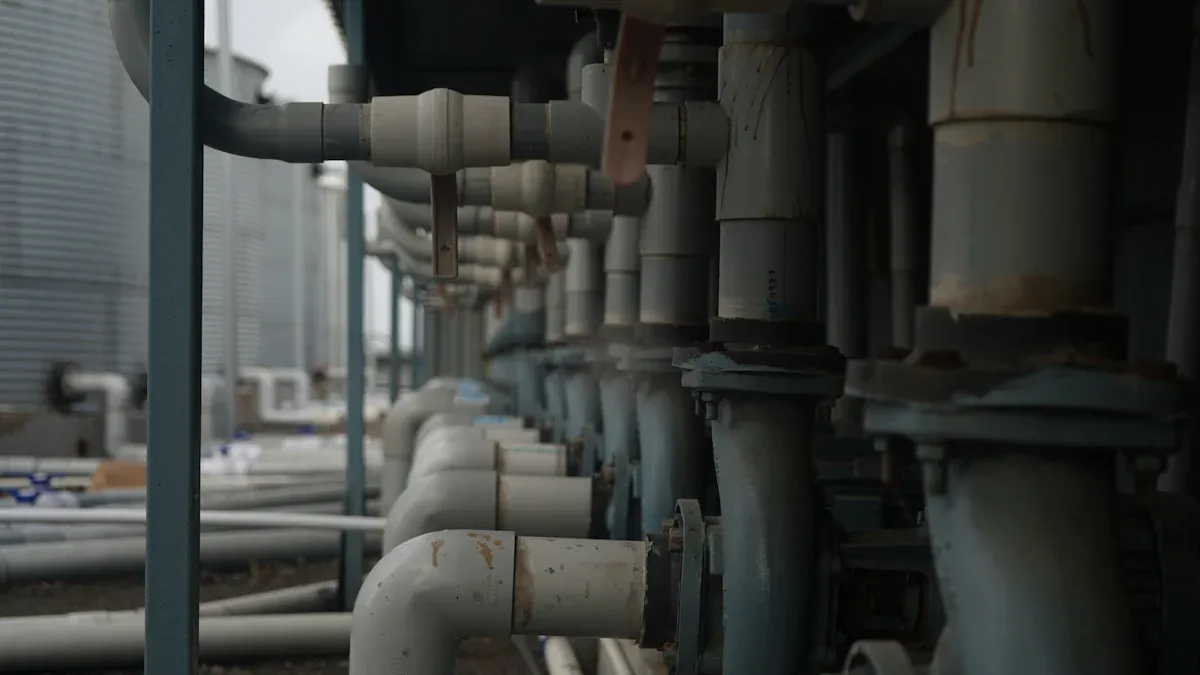
Choose CPVC, β-PPH, or PVDF plastics to safely handle powerful acidic plating baths.
Pick PTFE or PVDF fluoropolymers featuring Viton gaskets to prevent harm caused by powerful oxidizing nitric acid.
Pick non-conductive UPVC, CPVC, or β-PPH fittings to stop metal cracks inside high-pH alkaline tanks.
Put clean, unmixed PVDF fittings in electroless nickel pipes to stop metal from building up inside them.
Reduce the pressure inside your pipes as the chemical liquid gets hotter. This change prevents the pipe walls from becoming too soft, which helps you avoid unexpected leaks.
Use heat melting methods rather than screw-together connections to build smooth and leak-proof chemical pipes.
Pure plastic pipe systems last more than fifty years and cut down on costly building fix-up time.
Selecting Materials for Acidic Plating Baths
Metal finishing shops rely heavily on strong acid chemistries. You must pick the correct Corrosion Resistant pipe fittings and piping systems to manage aggressive pickling solutions, activation baths, and acid plating tanks safely. Selecting proper thermoplastic resins prevents costly fluid leaks and stops chemical contamination.
Handling Sulfuric and Hydrochloric Acid Baths
Sulfuric acid (H₂SO₄) and hydrochloric acid (HCl) form the backbone of many surface finishing operations. These aggressive chemicals quickly destroy traditional metallic plumbing. You need solid thermoplastic piping to resist aggressive chemical attack across various operating temperatures and concentration levels.
CPVC and β-PPH Capabilities at Medium Temperatures
Chlorinated Polyvinyl Chloride (CPVC) and Beta-Nucleated Polypropylene (β-PPH) offer excellent service in light to medium acid concentrations. CPVC handles sulfuric acid baths and hydrochloric acid mixtures effectively at moderate operating temperatures. The material maintains high rigidity and structural strength under standard line pressures.
β-PPH provides superior impact strength and smooth surface walls. This resin resists scaling and aggressive acid corrosion during ambient to warm surface treatment processes. You can utilize socket fusion welding with β-PPH piping to build leak-free joints. These thermoplastic materials reduce physical fatigue in your fluid transport loops.
PVDF Superiority in Concentrated Hot Acids
Highly concentrated acid solutions running at elevated bath temperatures require advanced polymer chemistry. Polyvinylidene Fluoride (PVDF) handles extremely harsh chemical environments with ease. PVDF resin provides outstanding resistance to concentrated sulfuric acid and boiling hydrochloric acid baths.
The material retains strong mechanical properties across a wide temperature spectrum from -20°C up to 120°C. High-purity PVDF fittings prevent pipe wall erosion, structural swelling, and chemical degradation. You eliminate unexpected pipe ruptures in high-temperature plating lines by specifying virgin PVDF components.
Piping for Nitric Acid and Oxidizing Bright Dips
Nitric acid (HNO₃) acts as a powerful oxidizing agent in bright dip solutions and stainless steel passivating lines. Strong oxidizers rapidly degrade standard organic polymers through severe chemical oxidation. You must select specialized fluoropolymer materials to maintain complete piping integrity.
Fluoropolymer Performance in High-Oxidation Media
Fluoropolymers offer exceptional atomic stability against aggressive oxidizing acids. Polytetrafluoroethylene (PTFE) and PVDF resist oxidation from high-concentration nitric acid mixtures better than standard industrial plastics. PTFE provides extreme thermal endurance and chemical immunity across a broad operational service range of -60°C to 200°C [1].
| Material | Operational Temperature Range | Nitric Acid (HNO₃) Performance Data | Chemical Resistance Profile |
|---|---|---|---|
| PTFE | -60°C to 200°C | No oxidative attack observed in 70% nitric acid at 25°C for 180 days | Immune to strong acids, concentrated oxidizers, and harsh solvents |
| PVDF | -20°C to 120°C | Resists strong oxidizers and acids across broad temperature limits | High resistance to acids, alkalies, halogens, and chemical attack |
You can safely operate PTFE linings in concentrated nitric acid service up to 200°C without chemical breakdown. Test data confirms that PTFE suffers zero oxidative attack in 70% nitric acid solutions at 25°C over 180 days. PVDF also provides strong resistance against oxidizing media up to its 120°C threshold. Choosing these fluoropolymers protects your facility against structural pipe thinning and sudden line failures.
Sealing Selection Using Viton and PTFE Gaskets
Every valve assembly, true union fitting, and flanged pipe connection requires robust elastomeric seals. Standard rubber gaskets degrade rapidly in hot acid environments. You must select fluorocarbon elastomers (Viton) or solid PTFE gaskets to maintain complete fluid containment.
Viton seals resist severe chemical attack from concentrated hydrochloric, sulfuric, and nitric acid lines. These high-grade elastomeric seals keep their elasticity and sealing pressure over extended service lifespans. PTFE-encapsulated gaskets deliver universal chemical resistance in your most aggressive acid header lines.
Proper seal selection prevents micro-leaks around valve stems and flange faces. You protect external tank structures, electrical wiring, and operational personnel by matching gasket chemistry directly to your acid bath composition. Using high-performance Corrosion Resistant pipe fittings with Viton seals ensures smooth, long-term processing performance in severe acid operations.
Choosing Corrosion Resistant Pipe Fittings for Alkaline Baths
Plating shops use basic cleaning and stripping tanks to prep metal items. These chemical baths operate at very high pH levels. You must pick chemical-proof plastic pipes to keep workers safe, protect chemical purity, and prevent bad leaks.
Thermoplastics for High-pH Cleaning and Stripping
Basic cleaning solutions strip away thick grease, oils, dirt, and oxide layers before plating operations start. You need tough plastic materials that easily handle continuous contact with heavy sodium hydroxide and potassium hydroxide chemicals.
UPVC and CPVC Performance in Caustic Solutions
Unplasticized Polyvinyl Chloride (UPVC) works great in room-temperature basic cleaning lines. You can use UPVC pipes for primary rinse tanks and standard wash loops. UPVC stops strong basic liquids from causing damage across the whole pH scale from 1 to 14. The smooth inner walls of UPVC pipes stop chemical scale buildup and keep liquids moving fast.
Chlorinated Polyvinyl Chloride (CPVC) brings strong chemical protection to higher operating heat levels. You can run CPVC lines safely when your cleaning process needs extra heat. CPVC stays strong and rigid under pressure even in hot chemical fluids. This plastic avoids structural softening or weakening from hot basic cleaners over time. Fitting high-grade corrosion resistant pipe fittings into your CPVC setup stops leaks across your entire shop.
Polypropylene Resistance to Alkaline Embrittlement
Metal pipes often get brittle and crack when exposed to high-pH basic chemicals. Strong basic liquids attack metal structures, causing stress cracks over time. Beta-Nucleated Polypropylene (β-PPH) avoids this dangerous cracking problem completely.
The special plastic structure of β-PPH gives high strength and great chemical defense. The plastic material never absorbs basic fluids, cracks, or loses strength during continuous basic chemical work. Smooth pipe interiors stop mineral scale buildup during daily operations. You get steady flow speeds and very low pressure drops throughout your cleaning loops. Heat-welding β-PPH parts creates continuous, leak-proof plastic setups. Welded joints remove weak spots and protect your shop staff from dangerous basic liquids.
Piping Integrity in Cyanide-Based Plating Solutions
Cyanide mixtures stay important for industrial copper, gold, and silver plating work. Cyanide tanks run at high pH levels to keep chemicals stable and prevent dangerous gas creation. You must keep all liquids trapped safely inside your delivery pipes.
Preventing Stress Cracking in Thermoplastic Joints
Cyanide fluids require super reliable pipe joints to stop terrible safety hazards. Plastic cracking happens when physical pipeline stress mixes with strong chemical liquids. You stop stress cracking by choosing top-grade plastic materials and installing joints correctly.
Solid heat welding fuses plastic pipes and fittings into one continuous piece. Fusion welding replaces weak threaded connections where physical stress usually builds up. Plastic pipe systems absorb physical bumps and heat movement without cracking open. You should avoid over-tightening threaded parts to stop extra physical stress on pipes. Placing pipe supports correctly lowers heavy bending forces on long pipe runs. These easy steps keep your cyanide lines leak-free and safe for years.
Eliminating Galvanic Corrosion with Plastic Fittings
Mixing copper parts and steel pipes in basic liquids creates fast metal damage. Tiny electric currents jump between different metals, destroying metal pipe walls quickly. Non-metal plastic fittings remove this electrical reaction completely.
Metal damage happens only when different metals touch inside a liquid. Non-conductive plastic fittings block that electrical path entirely. Using plastic parts creates safe electrical insulation between metal pieces to stop electric current.
Swapping out metal valves for non-metal options removes mixed metal pairs from your system setup.
A short plastic pipe placed between steel and brass parts stops electric currents.
Non-conductive plastic supplies break the electron movement that causes metal damage.
Plastic pipe parts offer complete electrical separation between copper alloys and steel parts.
Using non-conductive corrosion resistant pipe fittings prevents metal pitting in your cleaning lines. You protect expensive chemical baths from getting ruined by metal contamination. Plastic piping setups maintain strong physical walls without needing special surface coatings or extra electrical protections.
Need Expert Material Matching for Your Electroplating Piping System?
Get a free chemical compatibility assessment and custom piping solution recommendation from XITA's technical team.
Request Free Material ConsultationPiping Solutions for Chromic Acid and Electroless Nickel
Resisting Degradation in Chromic Acid Systems
PVDF Resistance to Hexavalent Chromium Attack
Hexavalent chromium plating baths act as strong oxidizers in metal finishing shops. These harsh chemicals quickly break down standard plastic pipes during long work cycles. Polyvinylidene Fluoride (PVDF) provides excellent atomic stability against severe hexavalent chromium attack. You protect fluid piping setups against chemical damage by choosing virgin PVDF resins.
You must follow strict heat limits to prevent plastic damage in thick chemical mixtures. PVDF keeps its high strength and strong structure in harsh chromic acid when you control tank temperatures carefully.
| Chemical | Concentration | Maximum safe service temperature | Failure mode above limit |
|---|---|---|---|
| Chromic acid | >10% | 40°C | Surface oxidation, cracking |
Limitations of Standard PVC in Strong Oxidizers
Standard Unplasticized Polyvinyl Chloride (UPVC) materials struggle in harsh oxidizing environments. Thick chromic acid continuously attacks the chemical bonds of standard plastic pipes. This constant chemical reaction steadily weakens your plastic piping setups over short operating times.
Standard PVC fittings face fast chemical damage when exposed to hexavalent chromium liquids. Pipe walls become brittle, swell up, and form tiny surface cracks under normal system pressure. You shield your shop from sudden bath leaks and costly chemical spills by swapping basic PVC parts for high-purity PVDF fittings.
Handling High-Temperature Electroless Nickel Baths
PVDF and Titanium Performance at Elevated Temps
Electroless Nickel (EN) plating processes run at high operating temperatures between 85°C and 95°C. High bath heat creates tough thermal and chemical problems inside liquid supply lines. Hot spots can cause sudden chemical breakdown, while tiny metal specks below 1 ppm quickly trigger unwanted reactions.
You need tough chemical-proof pipe materials to manage these high heat settings safely. Pure PVDF plastics and solid titanium alloys offer great heat resistance without breaking down in hot EN liquids. These top-quality materials keep their solid strength across high heat ranges during active work runs.
Preventing Plate-Out on Internal Fitting Surfaces
Chemical EN bath liquids deposit nickel coatings onto rough inner fitting walls. Standard industrial fittings with rough internal pipe walls trigger unwanted internal plate-out during regular work runs. Uncontrolled nickel buildup slows down fluid speeds, causes pipe blockages, and wastes expensive chemical solutions.
Smooth 100% virgin PVDF pipe interiors stop internal nickel buildup completely inside your liquid flow systems. Super-smooth inner walls block metal plate-out and maintain steady pipe pressure across your plating shop. Using high-quality corrosion resistant pipe fittings keeps your nickel plating active on target parts instead of wasting chemicals inside your pipes.
Mechanical Design and Installation Considerations
Operating Pressure and Temperature Derating
Thermoplastic Pressure Ratings Across Temperature Curves
You must match your pipe pressure ratings directly with bath operating heats. Regular plastic pipes carry standard pressure limits at normal room temperatures. High chemical heat softens the internal plastic structure over time. This warming lowers the top safe working pressure inside your fluid lines.
You lower pressure limits when plating baths heat up toward 95°C. For example, CPVC, β-PPH, and PVDF pipes lose strength as fluids get hot. You calculate working pressure by multiplying room ratings by the heat factor. Skipping these safety cuts causes pipe swelling, wall warping, or total joint blowouts.
Managing Thermal Expansion in Plating Lines
Plastic pipes stretch out quite a bit under high heat loads. Hot acid or basic cleaning lines grow longer during active work cycles. Cold water rinses make pipes shrink back down right away. Uncontrolled pipe stretching creates heavy physical stress on rigid wall brackets and connectors.
You shield long pipes by placing flexible expansion loops along your lines. Correct hanger spacing lets pipes slide smoothly without bending or getting stuck. You stop dangerous stress spots by anchoring main headers while supporting middle sections. These smart installation steps prevent pipe sagging and wall cracks during heat changes.
Fitting Joint Integrity and Connection Methods
Thermal Fusion Welding vs. Threaded Joint Reliability
Picking the right joining method guarantees safe, leak-free chemical flow. Socket fusion and butt welding heat plastic pipe ends to melt them together. Thermal welding forms solid, seamless joints across your entire piping system. These melted connections match the exact strength and chemical resistance of main pipe walls.
Threaded connections create sharp notch cuts inside thin plastic walls. Chemical liquids gather inside open threads, causing fast stress cracks under pressure. Threaded joints also loosen up during normal warm and cold cycles. You must keep threaded parts on low-pressure side lines. Heat-welded Corrosion Resistant pipe fittings remove weak connection spots across main chemical lines completely.
True Union Ball Valve and Flange Integration
PVDF true union ball valves offer perfect flow control in harsh chemical lines. These valves manage pickling, rinsing, cleaning, plating, and harsh waste lines where metals fail. The true union design lets you remove whole valve bodies for repair without cutting pipes. Flanged pipe ends connect smoothly to pump outlets, chemical tanks, and main piping headers.
The valve body, seats, seals, and union ends work together for complete safety. High-quality manufacturing steps ensure tight shut-offs across tough shop applications:
Exact plastic molding builds uniform wall thickness and smooth inner paths.
Strict parts checking ensures accurate fitting sizes on every single union end.
Complete factory pressure testing guarantees total fluid containment before final placement.
Lifecycle Value and Sourcing High-Performance Piping
Evaluating Lifespan and Total Cost of Ownership
Thermoplastic System Longevity vs. Metallic Failures
Old-style metal pipes quickly rust when exposed to strong acid mixtures and harsh basic cleaning baths. Chemical attacks cause thin walls, tiny pinhole leaks, and dangerous spills inside your work building. You have to swap out broken metal pipes constantly, raising repair labor costs and part replacement expenses over time.
Plastic pipe setups offer a much longer-lasting choice for tough metal finishing jobs. High-performance plastic materials offer a working service life of over 50 years under standard working conditions. You stop inside wall pitting, mineral scale buildup, and structural damage across the whole pH range from 1 to 14.
Minimizing Facility Downtime with Virgin Resin Products
Unplanned shop downtime drops your production output and hurts your overall business profits. Sudden pipe bursts force you to stop plating work, drain chemical tanks, and make quick emergency line repairs. These sudden interruptions delay product shipping and create big safety dangers for repair workers.
Using pipe parts made from 100% pure plastic resin stops early stress cracks and wall splits. High-grade pure plastics hold strong physical strength and heat limits across working temperatures from -20°C to 95°C. You shield your daily work plans, reduce unexpected repair jobs, and lower overall total ownership costs.
Sourcing Certified Corrosion Resistant Pipe Fittings
International Standards Compliance for Plating Infrastructure
Metal plating shops need reliable, fully certified liquid parts to keep work environments safe. You must check that all installed pipes, valves, and connectors meet strict international building rules. Certified parts guarantee matching outer sizes, even wall thicknesses, and safe chemical use across your whole liquid setup [2].
Top plastic makers build parts following set DIN, ASTM, BS, and JIS quality rules. Standard pressure limits like PN10, PN16, and Schedule 80 ensure safe liquid flow under continuous line pressure. You get long-lasting leak protection and smooth work performance by installing certified Corrosion Resistant pipe fittings across your plant.
High-Reliability Thermoplastic Solutions from XITA
Changzhou Xita Plastic Products Co., Ltd. builds top-quality industrial plastic setups under the trusted XITA brand name. XITA creates ISO9001-certified pipes, valves, and fittings built for harsh metal plating work. Their advanced factory methods use 100% pure materials like UPVC, CPVC, β-PPH, PVDF, PP-R, PP-RCT, and HDPE resins.
The deep XITA product list offers Double True Union Ball Valves, Butterfly Valves, Check Valves, Foot Valves, Diaphragm Valves, and Y Strainers. You can pick top seal choices like EPDM, NBR, and Viton in part sizes from 20mm up to 500mm. Adding XITA Corrosion Resistant pipe fittings ensures tough physical strength, leak-free work, and long service life in hard plating setups.
You select safe fluid systems by matching plastic resins to tank pH levels, heat limits, and joint types. Proper planning stops leaks and avoids metal damage.
Complete this checklist before you finalize your installation:
Verify third-party UL, FM, ASTM, or ISO certifications.
Confirm material standards like ASTM A536 for ductile iron strength.
Check coating thickness, choosing hot-dip galvanizing over 70 μm instead of thin 5–35 μm electro-galvanizing.
Inspect physical samples for smooth surface finishes, accurate dimensions, and tight gasket fits.
Audit your supply chain by requesting material test reports and quality control records.
Consult XITA when you need high-grade Corrosion Resistant pipe fittings, valves, and fluid systems tailored for your facility.
FAQ
Which piping material works best for hot, concentrated acids?
Pure PVDF works best when handling strong sulfuric and hydrochloric acid solutions at high heat. This polymer provides outstanding protection against harsh chemicals. It also stays tough and retains its physical shape at temperatures between -20°C and 120°C.
Why should you avoid standard metal pipes in alkaline cleaning tanks?
High-pH cleaning solutions make metal pipes brittle and cause severe stress cracks. Mixing different metal components like copper and steel triggers fast electrical decay. Non-conductive plastic fittings shield your lines and stop these dangerous electrical reactions completely.
How do virgin PVDF fittings prevent plate-out in electroless nickel baths?
Hot nickel baths deposit unwanted metal layers onto rough pipe interiors. Smooth walls made from pure PVDF offer no rough spots for nickel to stick to. This smooth surface stops nickel buildup, maintains stable line pressure, and saves valuable chemicals.
How do temperature changes affect thermoplastic pressure ratings?
High heat softens plastic pipe walls and lowers the safe water pressure your system can handle. You need to reduce standard room-temperature pressure ratings, like Schedule 80 or PN16, whenever your plating baths heat up toward 95°C.
Why are heat-welded joints safer than threaded fittings for chemical lines?
Screw threads cut sharp grooves into plastic pipe walls. These deep cuts build up physical stress where harsh liquids cause fast cracking. Heat welding melts the plastic pieces into one solid line, creating completely seamless, leak-proof pipe joints.
What gasket material provides the best seal in oxidizing acid lines?
Viton rubber seals or solid PTFE gaskets work best for strong oxidizing acids like nitric acid. These high-grade seal materials resist chemical damage and stay flexible, preventing dangerous liquid leaks around valve stems and flanged pipe joints.
How long do thermoplastic piping systems last in electroplating facilities?
Industrial plastic pipe systems made from pure resin can last for over 50 years. They resist mineral scale, withstand full pH levels from 1 to 14 without damage, and lower repair downtime across your entire facility.

