


 May 18, 2026
 View:332
PPH Fittings are very important in many industries. They work well in tough places. XITA's β-PPH Pipe Fittings-DIN8077/8078 are strong. They are used in chemical plants, water treatment, marine jobs, HVAC, and building projects. These fittings last a long time. They do not rust easily. They can handle temperatures from -20°C to 110°C. This makes them a great choice. In 2023, the world market for these fittings was $2.5 billion[1]. The market is growing fast.
Many industries use these fittings for safe and steady flow.
| Common Industries |
|---|
| Chemical Processing Plants |
| Water Treatment Facilities |
| Industrial Manufacturing |
| Pharmaceutical Industry |
| Food and Beverage Processing |
Key Takeaways
PPH fittings are very strong and last a long time. They work well in chemical plants, water cleaning, and HVAC systems. These fittings do not get damaged by strong chemicals. This keeps connections safe and working well in tough places.
PPH fittings can be used in hot or cold jobs. They work in temperatures from -20°C to 110°C.
You can install PPH fittings fast and easily. You do not need special tools to put them in. This saves time and lowers work costs.
Picking the right PPH fitting is very important. Think about pipe size, temperature, and if it works with the chemicals. This helps the fittings work their best.
Checking and cleaning PPH fittings often helps them last longer. It also stops leaks from happening.
PPH fittings are good for the environment. They can be recycled and do not hurt water or food.
XITA's PPH fittings follow strict world rules. This makes sure they are safe and high quality for many jobs.
What Are PPH Fittings?
Definition and Material
PPH Fittings are connectors for pipes. They are made from polypropylene homopolymer[2]. This material is strong and safe for many jobs. XITA's β-PPH Pipe Fittings-DIN8077/8078 use only new PPH. These fittings have a special β-crystalline change. This makes them stronger and better against chemicals. They are made using socket fusion and butt welding. These ways make tight joints and stop leaks.
| Aspect | Details |
|---|---|
| Chemical Composition | Polypropylene Homopolymer (PPH) |
| β-Crystalline Modification | Nucleating agents increase impact strength and chemical resistance. |
| Molecular Chain Optimization | Regular chains improve pressure resistance and thermal stability. |
| Manufacturing Standards | Meets DIN 8077/8078 and GB/T 18742. Passes hydrostatic and impact tests. |
| Welding Process | Socket fusion and butt welding with controlled temperature and time. |
Key Features
PPH Fittings are special because of their good qualities. These features make them a top pick for many jobs.
Corrosion Resistance
PPH Fittings do not rust from acids, bases, or salts. They stay strong when near harsh chemicals. This keeps them safe for chemical plants and water systems. According to research on corrosion resistance in polymeric materials[3], polypropylene-based materials demonstrate exceptional stability in corrosive environments.
Temperature Range
These fittings work from -20°C to 110°C. They do well in hot and cold places. This means they are good for HVAC, marine, and cooling systems.
Durability
PPH Fittings last for many years. They do not break down fast. The material is light, so it is easy to carry and put in. The fittings do not react with most chemicals. This keeps them safe in important places.
| Feature | Description |
|---|---|
| Chemical Resistance | Stays strong when exposed to many chemicals. |
| Durability | Long lifespan and resists aging. |
| High-Temperature Resistance | Works in hot systems up to 95°C (203°F). |
| Lightweight | Easy to handle and install. |
| Non-reactive | Safe for sensitive environments. |
Standards and Certifications
PPH Fittings from XITA meet many world standards. These awards show the fittings are good and can be trusted.
ISO 15494, EN ISO 15494, DIN 8077/8078, ASTM F2389, GB/T 19472, NBR 15494
ISO 1452, SASO, GSO, UL 651, IEC 61386, ASTM D1785 / D256, DIN 8061 / 8062 / 4925, NEMA TC2, AS/NZS 2053, BS EN Series
These standards help make sure PPH Fittings are used in many places. They show the fittings are safe and work well in hard jobs.
PPH Fittings from XITA are known for being strong, safe, and high quality. People use them in many projects where they need something they can trust.
PPH Fittings in Chemical Processing
Handling Aggressive Chemicals
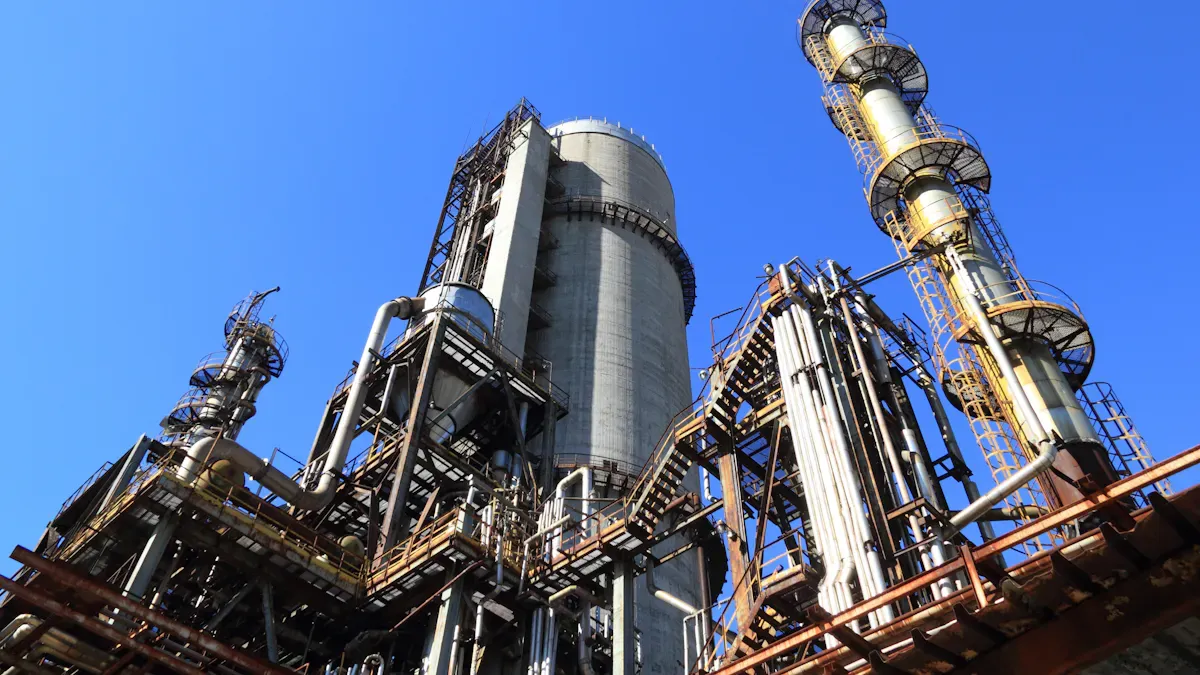
Chemical processing plants use strong chemicals. These chemicals can hurt normal pipes and connectors. PPH Fittings are made for these hard jobs. They work well with many strong chemicals. Some examples are:
Acids
Bases
Organic solvents
People use these fittings in labs, medicine factories, and places that clean dirty water. The special material keeps the fittings safe from harm. This helps the pipes last longer and break less. Workers can trust these fittings to keep dangerous chemicals inside. Studies on chemical resistance in industrial materials[4] confirm the superior performance of polypropylene in harsh chemical environments.
Safety and Compliance
Safety matters a lot in chemical processing. PPH Fittings must follow strict rules to keep people safe. They meet standards like EN ISO 15494, DIN 8077/8078, ASTM F2389, and GB/T 19472. These rules check if the fittings can handle acids and alkalis. Tests like ASTM D543 show the material stays strong with chemicals.
PPH Fittings are also made to stop fire from spreading. This is important in places where fire can happen. The fittings meet fire safety rules. They help keep people and equipment safe.
Common Fitting Types
Chemical plants need many types of fittings for safe pipes. Some common types are:
Elbows (45-degree and 90-degree) to change pipe direction
Tees to split or join pipes
Couplings to connect straight pipes
Reducers to join pipes of different sizes
These fittings help make tight connections. This is very important when using dangerous chemicals. PPH Fittings are strong against chemicals, work in high heat, and are light. They also cost less, so many chemical plants use them.
Looking for Reliable PPH Fittings for Your Project?
Get expert guidance on selecting the right PPH fittings for your chemical processing, water treatment, or industrial application. Our team is ready to help you find the perfect solution.
Request a Quote NowWater Treatment and Marine Applications
Water Flow Management
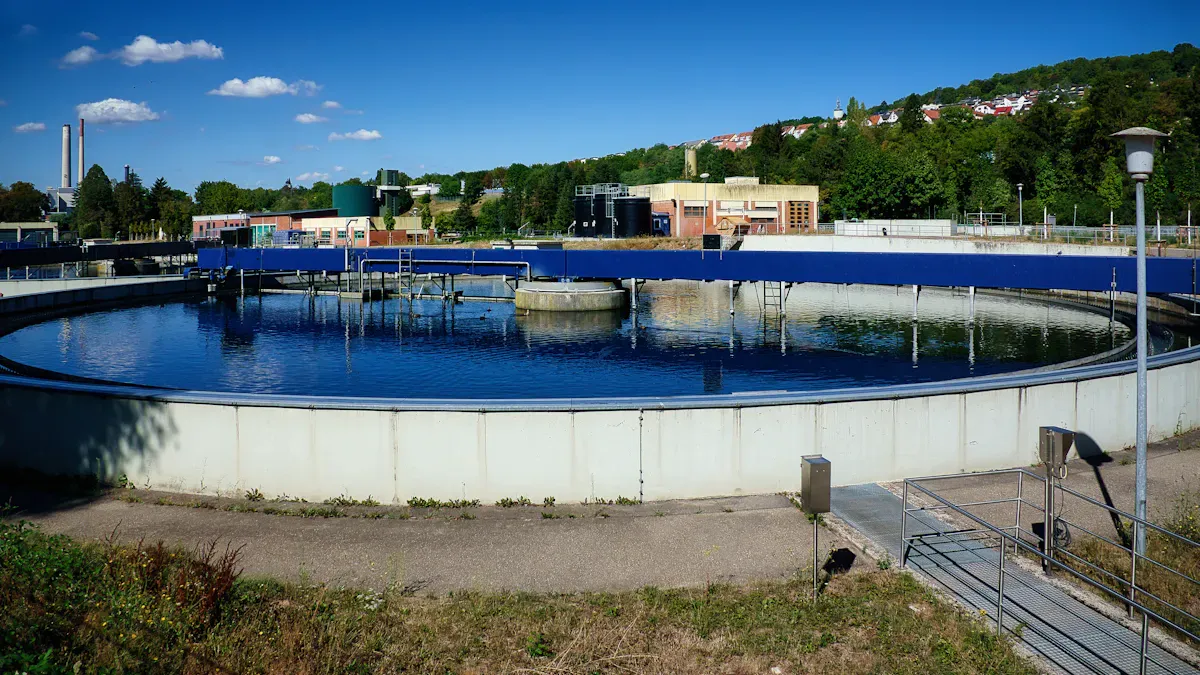
Water treatment plants clean water for people to use. They need strong pipes to move water safely. PPH Fittings help connect pipes in these plants. They carry drinking water, wastewater, and stormwater. This keeps people healthy and protects nature. When pipes do not leak, water stays clean. This stops pollution and keeps everyone safe. PPH Fittings work in big city plants and small local systems. Their design helps water move easily and reach where it needs to go.
Note: Good water flow stops water loss and keeps bills low.
Corrosion in Marine Environments
Marine places are very hard on pipes. Saltwater, humidity, and changing temperatures can hurt pipes. PPH Fittings do not rust or break down in these tough spots. Ships, docks, and platforms use them to move seawater and other fluids. The fittings work with hot and cold seawater. They last longer than metal parts because they resist chemicals. Metal parts often rust and need to be replaced. Using PPH Fittings saves time and money for marine workers. Research from the Environmental Protection Agency[5] highlights the importance of corrosion-resistant materials in marine environments.
| Marine Challenge | How PPH Fittings Respond |
|---|---|
| Saltwater exposure | No rust or corrosion |
| High humidity | Keeps strength and shape |
| Temperature changes | Works in hot and cold water |
Installation Benefits
Putting pipes in water plants and marine places is hard. Workers have little space and must work fast. PPH Fittings are light and easy to carry. Workers do not need heavy tools to install them. Socket fusion and butt welding make strong joints. These joints stop leaks and lower maintenance needs. Teams finish projects faster and get systems working quickly. The fittings last a long time, so repairs are rare. This helps busy places save time.
Tip: Picking good fittings early saves time and money later.
PPH Fittings are trusted in water and marine jobs. They keep water safe, resist tough conditions, and are easy to install. These features help water systems work well and protect people and nature.
PPH Fittings in Industrial Cooling and HVAC
Cooling System Durability
Industrial cooling systems run all the time. They face changes in temperature every day. Pipes and fittings must last for years. PPH fittings help these systems stay strong. They do not crack when temperatures change. They resist thermal stress and do not break easily. This keeps the cooling system safe for a long time.
PPH fittings keep their shape when temperatures change.
They handle thermal stress and do not wear out fast.
These fittings work in many cooling systems, even with changing temperatures.
Fusion joints are important for PPH fittings. A good fusion joint keeps the system strong.
If fusion is done well, the joint is almost as strong as the pipe.
Tip: Always check fusion joints during installation. This helps the system last longer and stops leaks.
HVAC Connections
HVAC systems need safe and steady pipe connections. PPH fittings are a smart choice for these jobs. They fit many types of HVAC systems. Their flexibility and strength make them easy to use. Guidelines from ASHRAE[6] emphasize the importance of durable, chemical-resistant materials in HVAC applications.
| Advantage | Description |
|---|---|
| Chemical Resistance | PPH fittings resist many chemicals and do not corrode. |
| High Temperature Resistance | They can handle heat up to 80°C, good for hot places. |
| Flexibility and Durability | They bend easily and do not break, so they last long. |
| Cost-Effectiveness | PPH fittings cost less to make and install, saving money. |
These benefits help HVAC systems work well. The fittings do not rust or break in tough places. They also help save money on repairs.
High-Temperature Performance
Some cooling and HVAC systems use hot fluids. PPH fittings work well in these jobs. They do not melt or lose shape when things get hot. The fittings keep the system safe and reliable. They also work well with cold fluids. This makes them useful in many systems.
PPH fittings help cooling and HVAC systems run safely. Their strength, flexibility, and resistance to heat and chemicals make them a top choice.
Construction and Plumbing Uses
Reliable Plumbing Connections
Buildings need pipes that are safe and strong. PPH Fittings help make sure pipes do not leak. Builders like them because they last a long time. They do not rust or get weak from water or chemicals. These fittings work with many fluids. They keep pipes clean and safe for everyone. PPH Fittings do not break down from chemicals. They are tough and stop leaks. Workers can put them in quickly and easily. This saves time and money on jobs. The fittings are light, so they are easy to carry. They fit many kinds of plumbing work. Strong joints stop water from leaking out.
PPH Fittings do not rust, so they last longer.
They do not react with most liquids.
They are tough and help stop leaks.
Workers can install them fast and save money.
The design fits many plumbing needs.
Light fittings are easy to move and use.
Tight joints keep water safe in the pipes.
Tip: Good fittings help stop leaks and save money on repairs.
Integration in Building Projects
Modern buildings use smart systems to save energy. PPH Fittings work well in these new buildings. Teams use them from the start to the end of building. They can go in new or old buildings. Planning and teamwork help fittings work in big systems.
| Aspect | Description |
|---|---|
| Integration Process | Used from the start to finish, making work smooth. |
| Best Practices | Help lower energy use and pollution. |
| Role of Coordinator | Makes sure all teams work together well. |
| Importance of Sustainability | Helps buildings stay green and save money. |
Builders have many problems, like hard systems and saving nature. Using good systems early and checking often helps fix these problems. New technology and smart energy use help protect the earth.
Advantages Over Metal
PPH Fittings have many good points over metal ones. They do not rust, even near saltwater or chemicals. This makes them great for buildings near the sea. Metal parts can break down, but PPH Fittings stay strong. They also do not get hurt by sea animals.
These fittings help the earth by lasting longer. They do not need to be changed often. This means less trash and lower costs. Builders pick them because they are strong, safe, and good for the planet.
Note: Picking the best fittings keeps buildings safe and green for a long time.
Specialized and Emerging Applications
Laboratory and Exhaust Systems
Laboratories need safe and clean piping. Many labs use strong chemicals and gases. These can damage regular pipes. PPH Fittings help keep labs safe. They do not react with acids or bases. This makes them a good choice for lab sinks, drains, and fume hood exhausts.
Lab workers often handle dangerous substances. Pipes must not leak or break. PPH Fittings have smooth surfaces. This helps stop buildup inside the pipes. Clean pipes are important for lab safety. Workers can trust these fittings to keep air and water moving safely.
Note: Good exhaust systems protect people from harmful fumes. PPH Fittings help make these systems strong and reliable.
Petroleum and Power Industries
Oil and power plants use many pipes. These places often have high heat and strong chemicals. Metal pipes can rust or wear out. PPH Fittings stand up to these tough jobs. They do not rust, even when exposed to oil or gas.
Power plants need pipes that last a long time. Downtime can cost a lot of money. PPH Fittings are light and easy to install. Workers can fix or replace them quickly. This helps keep the plant running. The fittings also handle changes in temperature well. They do not crack or lose shape when things get hot or cold. Information from the U.S. Department of Energy[7] emphasizes the need for reliable piping systems in industrial energy facilities.
| Industry | Key Needs | How PPH Fittings Help |
|---|---|---|
| Petroleum | Chemical resistance | No rust, long life |
| Power Generation | Heat tolerance | Stays strong in hot systems |
Agriculture and Medical Fields
Farmers use pipes to move water and chemicals. Clean water is important for crops and animals. PPH Fittings do not add anything harmful to water. They help keep water pure. These fittings also work well with fertilizers and pesticides. They do not break down when exposed to these chemicals.
Hospitals and clinics need safe plumbing. Medical waste and cleaning fluids can damage some pipes. PPH Fittings resist these substances. They help keep medical buildings clean and safe. Workers can install them in new or old buildings. The fittings are easy to clean and do not trap germs.
Farmers use them for irrigation and animal care.
Hospitals use them for waste and water systems.
Both fields need strong, safe, and clean pipes.
Tip: Choosing the right fittings helps protect crops, animals, and people.
PPH Fittings support many new and growing industries. Their strength and safety make them a smart choice for labs, energy plants, farms, and hospitals.
Main Benefits of PPH Fittings
Cost-Effectiveness
PPH Fittings help companies save money in many ways. The material costs less than metals like stainless steel. These fittings last a long time, so they do not need to be changed often. Needing fewer replacements means spending less on repairs and new parts. The fittings also do not get damaged by chemicals or heat. This lowers the chance of leaks or problems. When systems work well, companies pay less for fixing things. Over time, these savings become bigger. Many industries pick PPH Fittings because they are a good deal for the price.
Easy Installation
It is easy and fast to put in PPH Fittings. Workers do not need special tools or training. This means more people can help with the job. The fittings are light, so they are simple to carry and use. Projects finish faster because the installation goes smoothly. When it is easy to install, there are fewer mistakes. This means less time fixing errors and lower costs for workers.
Makes installation easier, so projects finish faster.
Less need for special skills, so more workers can help.
Fewer mistakes mean less money spent fixing problems.
Tip: Fast and simple installation helps projects stay on track and on budget.
Environmental Impact
PPH Fittings are good for the environment. The material can be recycled, so old fittings do not fill up landfills. These fittings last a long time because they do not break down from chemicals. This means fewer replacements and less trash. PPH is safe and does not harm water or food. Recycling PPH uses less energy and saves resources. Old fittings can be used again in new products, which helps the planet. The EPA's recycling guidelines[8] support the use of recyclable materials in industrial applications.
PPH fittings can be recycled, so there is less waste.
They are strong and do not break down from chemicals.
PPH is safe for water and food systems.
Recycling PPH saves energy and helps the earth.
Old PPH can be used again, so there is less trash.
Note: Picking fittings that last and can be recycled helps keep the earth clean and safe.
Comparison with Alternatives
Choosing the right pipe fittings is important for every project. Many people compare PPH fittings with metal, PVC, and CPVC fittings. Each type has its own strengths and weaknesses. XITA's β-PPH Pipe Fittings-DIN8077/8078 stand out in many ways.
| Feature | PPH Fittings (XITA) | Metal Fittings | PVC Fittings | CPVC Fittings |
|---|---|---|---|---|
| Corrosion Resistance | Excellent | Poor in chemicals | Good | Good |
| Temperature Range | -20°C to 110°C | Wide, but rusts | Up to 60°C | Up to 90°C |
| Weight | Lightweight | Heavy | Lightweight | Lightweight |
| Installation | Easy, fast | Needs tools | Easy | Easy |
| Lifespan | Long | Short in harsh jobs | Medium | Medium |
| Environmental Impact | Recyclable | Not always | Recyclable | Recyclable |
| Cost | Affordable | Expensive | Affordable | Moderate |
PPH Fittings vs. Metal Fittings
Metal fittings often rust in chemical and marine jobs. PPH fittings do not rust. They last longer and need fewer repairs. Metal is heavy and hard to install. PPH fittings are light and easy to handle. Metal fittings cost more and need special tools.
PPH Fittings vs. PVC and CPVC Fittings
PVC and CPVC fittings work well in some jobs. They do not handle high heat as well as PPH fittings. PPH fittings can be used in hotter systems. PVC and CPVC fittings may crack in tough conditions. PPH fittings stay strong and flexible. They also resist more chemicals.
Note: PPH fittings from XITA offer better performance in harsh environments. They save time and money. They help protect the earth by lasting longer and being recyclable.
Why Choose PPH Fittings?
PPH fittings resist chemicals and heat.
They are easy to install and move.
They last longer than most alternatives.
They help keep water and air clean.
They cost less over time.
XITA's β-PPH Pipe Fittings-DIN8077/8078 meet strict standards. They are trusted in many industries. People choose them for safety, strength, and value.
Need Help Selecting the Right PPH Fittings?
Our technical team can provide customized solutions for your specific application requirements. Contact us today for expert consultation and competitive pricing.
Contact Our ExpertsSelection and Maintenance Tips
Choosing the Right Fitting
Picking the right PPH fitting is very important. First, check the pipe size and type. The fitting must match the pipe's size and pressure. Think about the temperature where you will use the fitting. XITA's β-PPH Pipe Fittings-DIN8077/8078 work from -20°C to 110°C. This covers most jobs in factories and buildings. Make sure the fitting works with the chemicals in your system. PPH fittings can handle acids, bases, and salts. This makes them safe for chemical plants, water cleaning, and marine work.
Think about how you will put the fitting in. Socket fusion and butt welding are common ways to join PPH fittings. These ways make strong, leak-proof joints. Pick fittings that meet world standards like DIN8077/8078 and ISO. This helps keep your system safe and working well. Ask for fittings that fit your project's needs. XITA has many types, like elbows, tees, and flanges. You can also get special fittings for unique jobs.
Tip: Always read the manufacturer's guide before you buy. This helps you pick the right fitting and avoid mistakes.
Maintenance Best Practices
Taking care of PPH fittings helps them last for years. Regular checks stop leaks and damage. The table below shows the best ways to care for PPH fittings:
| Maintenance Practice | Description |
|---|---|
| Regular Inspection | Look at fittings often to find leaks, cracks, or worn seals. |
| Cleaning | Use gentle cleaners and do not use strong chemicals. |
| Preventive Maintenance | Flush the system, check seals, and keep fittings lined up right. |
| Prompt Repair or Replacement | Fix or change damaged parts fast by following the manufacturer's rules. |
Check your fittings often. Look for cracks, leaks, or worn seals. Clean them with soft cleaners. Do not use harsh chemicals that can hurt the surface. Flush the pipes often to stop buildup. Make sure seals and fittings are lined up right. Fix any damage as soon as you see it. Always follow the manufacturer's rules for repairs or new parts.
Note: Good care helps your fittings last longer and keeps your system safe.
Avoiding Common Mistakes
Mistakes when picking or caring for fittings can cause problems. One mistake is using the wrong size fitting. This can make leaks or weak joints. Another mistake is not checking the temperature or chemical limits. Always check what your system needs before you pick a fitting.
If you install fittings the wrong way, they can leak. Use the right welding method for your fitting. Follow the right temperature and time for socket fusion or butt welding. If you skip checks, you might miss damage. Clean fittings with safe cleaners. Do not use harsh cleaners that can make the material weak.
Pick the right size and type for your system.
Make sure the fitting works with your chemicals and temperature.
Follow the instructions for putting in the fitting.
Check and clean fittings often.
Fix or change broken parts quickly.
Reminder: Careful picking and good care help stop big repairs and keep your system working well.
PPH fittings are used in lots of jobs, like chemical plants, water treatment, and HVAC systems. They are strong and do not rust. It is easy to put them in place. This makes them a favorite for many workers. XITA's β-PPH Pipe Fittings-DIN8077/8078 are known for being high quality and reliable. Here are some main reasons people like them:
| Advantage | Description |
|---|---|
| Durability | Handles heat, chemicals, and pressure changes |
| Easy Installation | Light and simple to put together |
| Cost-Effectiveness | Helps save money over time |
Pick XITA if you want fittings you can trust for your next piping job.
FAQ
What are PPH fittings used for?
PPH fittings join pipes in many jobs. People use them in chemical plants and water treatment. They also use them in marine work, HVAC, and building projects. XITA's PPH fittings are strong and safe. They last a long time and make good pipe connections.
How do I install XITA's PPH fittings?
Workers join XITA's PPH fittings with socket fusion or butt welding. These ways make tight joints that do not leak. The fittings are light, so they are easy to put in. Always follow the instructions from the maker for best results.
Are PPH fittings safe for drinking water?
Yes. XITA's PPH fittings use high-quality virgin polypropylene homopolymer. They do not add anything bad to water. These fittings meet strict safety rules. This makes them safe for drinking water systems.
How do I maintain PPH fittings?
Check fittings often for leaks or cracks. Clean them with mild soap and water. Do not use harsh chemicals. Replace broken parts quickly. Regular care helps fittings last longer and keeps your system safe.
What temperature range can PPH fittings handle?
XITA's PPH fittings work from -20°C to 110°C. This wide range fits hot and cold systems. They work in cooling, HVAC, and marine jobs.
Are PPH fittings environmentally friendly?
PPH fittings from XITA can be recycled. They last a long time, so there is less waste. The material is safe for water and food systems. Using recyclable fittings helps protect nature.
What certifications do XITA's PPH fittings have?
XITA's PPH fittings meet world standards like DIN8077/8078, ISO, and SGS/GB/T. These certifications show the fittings are high quality and safe for many uses.
References
DataIntelo. "PPH Pipe Fittings Market Analysis Report 2023." https://dataintelo.com/report/pph-pipe-fittings-market
ScienceDirect. "Polypropylene Homopolymer - Materials Science and Engineering." https://www.sciencedirect.com/topics/engineering/polypropylene-homopolymer
ScienceDirect. "Corrosion Resistance in Polymeric Materials." https://www.sciencedirect.com/topics/materials-science/corrosion-resistance
National Institute of Standards and Technology (NIST). "Chemical and Materials Resistance Standards." https://www.nist.gov/pml/chemical-and-materials-resistance
U.S. Environmental Protection Agency. "Learn About Ocean Dumping." https://www.epa.gov/ocean-dumping/learn-about-ocean-dumping
ASHRAE. "Standards and Guidelines for HVAC Systems." https://www.ashrae.org/technical-resources/standards-and-guidelines
U.S. Department of Energy. "Industrial Technologies Program." https://www.energy.gov/eere/industrial-technologies
U.S. Environmental Protection Agency. "Recycling Guidelines and Best Practices." https://www.epa.gov/recycle

